
Billings Fair – Montana Pavilion at the Metra, 308 6th Ave N., Billings, MT 59101

April 7 @ 8:00 am 12:00 pm

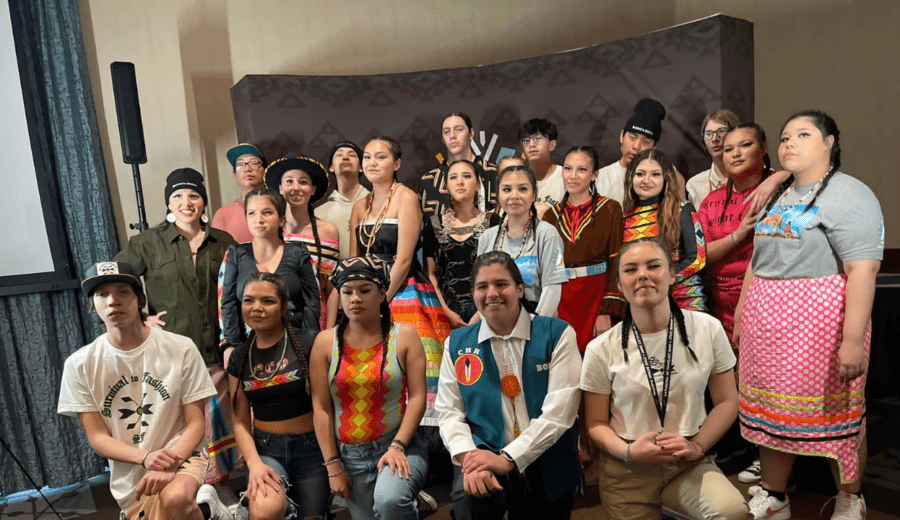
Western Native Voice will participate in the 2026 Montana Tribal College & Career Fair Circuit, connecting with Native high school and college students across Montana. These spring college and career fairs provide opportunities for students to explore education pathways, career options, and leadership development resources. Visit the Western Native Voice table to learn about civic engagement programs, youth leadership opportunities, and ways to get involved in strengthening Native communities through informed participation and advocacy.

If you would like to volunteer for this event, please call our office at 406-869-1938.

Full Schedule of Fairs, CLICK HERE!

  • Posted on: March 19, 2026

How traditional teachings shaped a life of service, civic courage, and leadership for the Fort Peck community and beyond.

At Western Native Voice, we believe leadership is not built on titles — it is built on character, responsibility, and service to community. That is why we are honored to spotlight Lawrence “Larry” Wetsit, an enrolled member of the Assiniboine Tribe from the Fort Peck Reservation. Throughout his life — as Tribal Chairman, educator, cultural leader, and advocate for equitable access to emergency telecommunications — Larry has demonstrated that true leadership begins at home, in ceremony, and in the teachings passed down by elders. We chose to feature Larry because his life reflects what we strive to cultivate in the next generation: leaders rooted in culture, guided by humility and responsibility, and committed to serving the people.

Here is his story in his own words.

Please introduced yourself and your background.

My name is Lawrence “Larry” Wetsit, MBA. I am an enrolled member of the Assiniboine Tribe and reside on the Fort Peck Assiniboine and Sioux Reservation in Wolf Point. My traditional name is Wamni Sinde Ombi Ota, which means “Uses Many Eagle Tailfeathers.” That name was given to me in 1954 by my grandfather, Joshua Wetsit. It was originally given to him by a Blackfoot warrior who had killed one of his uncles, Night Traveler, during a horse-stealing raid in the late 1800s.

I am now retired. Over the years, I worked as a counselor at Wolf Point High School, Minerals Director and Tax Administrator for the Fort Peck Tribes, and I served one term as Tribal Chairman. I later worked for Nemont Telephone Cooperative for twenty years as a senior manager. I also served as Vice President of Fort Peck Community College and most recently, as a Cultural Advisor with Johns Hopkins University-School of Nursing.

During my time at Nemont, I was the only senior manager in a non-Indian telephone company in the United States. Because of that role, I testified before committees in both the Senate and the House regarding telecommunications needs on Native lands. Based on a study that I conducted, with Frazer High School students, on telephone access in the Frazer community, I was able to convinced the Federal Communications Commission to create a special telephone program for Indian reservations. I explained that Native people primarily used the phone to call 911 for emergency services rather than for social visits and telephone access could be the difference between life or death for Native people.

Photo: While working as Senior Manager for Nemont Telephone, Larry was featured in the Rural Connections Magazine 1992 .

That effort led to what became known as the “Dollar Phone” program, which provided landline and cellular service to low-income residents on reservations for $1.00 per month. The program helped Indian families and also supported the companies serving Indian lands. Today, all phones—active or not—must be able to call 911. I always tell people to keep an old charged cell phone in their vehicle because it will still reach 911.

Outside of my professional roles, I served as Chairman of the Frazer School Board running as a write-in candidate, Chairman of the A&S Board of Directors, Chairman of Fort Peck, Inc., and Chairman of the Board of Directors of Fort Peck Community College for 20 years. I was also appointed as a Commissioner to Montana Fish, Wildlife and Parks by Governor Steve Bullock.

In 2014, I was one of four people who received the Jeannette Rankin Civil Liberties Award from the ACLU of Montana. That was for a lawsuit we brought against the Wolf Point School District for failing to redraw voting districts to give Native people an equal chance to be elected to the school board.

Some of my most meaningful work was serving as Keeper of the Assiniboine Medicine Lodge for 25 years and as the last remaining member of the Assiniboine Claims Committee, which is responsible for keeping our land claim alive.

Photo: July 1981, the Assiniboine Claims Commitee traveled to Washington, DC for a meeting on the Assiniboine Land Claim to advocate for land between the Yellowstone and Missouri rivers. L to R: Carl Fourstar, Leslie Fourstar, Otto Cantrell, Larry Wetsit.

But the most satisfying role of my life has been raising my two sons, Melvin and JD, and my daughter, Stacie, with my wife, Edna.

Q: How did your upbringing shape your spirituality and leadership?

My father died when I was three years old, so I was raised by my mother, Nellie, in the country outside Oswego on the reservation. My mother was raised in a traditional home in the Lodgepole community on the Fort Belknap Reservation, so throughout my early life that is where we attended spiritual activities and events.

I was my paternal grandparents’ oldest grandson, so they kept me as much as my mother would allow. They were the second biggest influence on my spirituality after my mother. They took me to ceremonies, powwows, hunting, and fishing, and showed me how to work hard.

From my mother, I learned to smudge and pray, to always speak kindly to others, to protect women from harm, and to raise my children to be better than myself by being a good role model every day. She taught me to always talk up to children, not down.

From my grandparents, I learned to be respectful, to listen and learn in ceremonies, and to honor elders. When I was about 10 years old, my grandmother told me, “Grandson, when you grow up, I want you to be Tribal Chairman for me. Would you do that?” I didn’t know what that meant at the time, but I fulfilled her wish in 1989 at the age of 36.

Grandparents can greatly influence grandchildren by expressing their expectations.

I always remind children that there is no such thing as a dumb Indian. Our people built the greatest pyramids in the world. We are food producers, builders, and we still maintain our original connection to the Creator. We have the ear of the Creator when we need it.


Q: How did you become Tribal Chairman?

In early September 1989, a large group gathered in Wolf Point at the casino building. Former Chairman Norman Hollow called and asked me to attend but did not explain why.

When I arrived, I was told to sit at a table in front where elders were seated. Over 100 people filled the room. Each elder spoke about the need for new leadership. Norman then turned to me and said they were asking me to file for election as Tribal Chairman. They would raise money to support my campaign and ask relatives to vote for me.

Billings Gazette Photo: After being elected Chairman of the Fort Peck Tribes, Larry appeared on the front page of the Billings Gazette in 1990.

After listening to the elders speak of their families’ needs, I did not dare say no. I told them I would try my hardest and asked them to come to my office if elected and guide me if I was not leading correctly. Several people stepped forward to run alongside me. I filed for election together, with senior elder Joe Red Thunder as vice-chairman.

I visited the home of every registered voter, even those I believed would not support me. If elected, I would represent everyone.

The Traditional Chief told me, “Nephew, you’re not going to satisfy all the people. Just try to satisfy six out of ten and tell the other four to think about it for a while.”

When I served, elders addressed me as “Ade,” meaning father. It was a traditional way of showing respect for leadership. That form of respect has been lost as cultural teachings have faded in homes.


Q: How are traditional Chiefs appointed in Assiniboine culture?

When the Assiniboine appoint a Chief, families and societies first meet privately to determine if a member meets the qualifications: honesty, humility, kindness, bravery, compassion, truthfulness, and the ability to unite the people.

At the meeting, the candidate usually does not know their name will be offered and is not allowed to speak. When a name is called, the announcer asks if anyone votes against the person. If someone raises their hand, another name is offered. The process continues until a name receives unanimous support.

The Chief is then told he must lead until death and has the full support of the people.

Traditional leadership is based not on speeches but on how a person has lived, treated others, spoken, and raised their family.

Q: How did your cultural teachings influence suicide prevention efforts?

While serving as Vice President at FPCC, I met Teresa Brockie, who was working on her PhD at Johns Hopkins. She was researching suicide due to its high prevalence among Native people.

I shared what I learned from my elders and Medicine Lodge ceremonies. In our ceremonies, babies and families receive traditional names from the Chief. Over 25 years, many told me receiving a name made them feel accepted and validated in their Native identity.

I told Teresa I wanted every kindergarten and first-grade student on the reservation to receive a traditional name to see if having a traditional name would have a positive-effect on their life.  It was because I believe a Native person with a strong identity has a lower tendency toward suicide based on my experience with the Medicine Lodge.

Photos:These family and portrait images were taken as part of a photo shoot for training materials Larry used for the “Little Holy One” project.

Instead, Teresa said don’t do that because we could get funding to do that research and maybe develop a solution to help end suicides among native youth.  She was successful in securing research funding and created the “Little Holy One” project, a five-year study with Head Start children and parents measuring cultural factors related to suicide prevention. The study is nearing completion, and I hope it results in a research-based suicide intervention model for tribes nationwide.

The idea wasn’t mine, as I am only a recipient of teachings and knowledge from a long list of elders who came before me. Those teachings and traditional knowledge belong to the Assiniboine Tribe. They are not mine to sell or give away but to be passed on the youth that come behind me.


Q: What are your principles of leadership?

People believe in you when they see you do more than you ask of them. I tried to be the first to arrive at work and the last to leave. I was willing to be a janitor, dishwasher, cook, or babysitter if it helped to get our work completed.

I always try to empower people.

I remind them they were chosen for the job because they were the best. I did not scold them when they made mistakes but offered help.  I encourage growth through helping to find classes to improve their skills, and industry seminars to keep them knowledgeable about the industry. I told my staff that I expect them to someday replace me and be a better leader than I was.

You do not have to be the smartest person in the room. Be a good listener. Be fair. Be honest. Share information. Give people a voice. Lead by example.

Photo: Larry all smiles while conducting a meeting at the Fort Peck Community College where he served as Vice President.

Q: What is the hardest part of leadership?

There will always be those who disagree with your decisions and sometimes its friends or relatives who are the most difficult.

My elders taught me to guard my words. Physical wounds heal. Words that hurt the heart may never heal. Our voice is powerful. It can uplift or destroy. Listen carefully before speaking. Be a good listener first and a powerful speaker second.


Q: What lessons did you learn from difficult leadership experiences?

When I was elected as a write-in candidate to the Frazer School Board, families protested and kept children home for three days. Later, I discovered financial misuse that needed correction. Remember that not everyone who promotes you has pure motives.

As Tax Administrator, I was directed by the Tribal Chairman to implement a Utility Tax on companies using right-of-way on trust land. Major companies sued, and that case went to the United States Supreme Court, which ruled in favor of the Tribes. Over the last 39 years, more than $90 million has been collected by the Tribe. That success came from motivated staff, organizational assistance from the Navajo Nation, and a fair court ruling.

After my term as Chairman, I joined Nemont Telephone Cooperative. The general manager told me that he hired me because he watched my actions when I was the Tribal Tax Administrator. He thought that I treated utility companies with fairness and honesty and that is the kind of employees he wanted. 

You never know who is observing your actions.

It is important for tribes to engage in local, county, state, and national affairs. After 20 years of working in management of a utility company, I found that non-native people closely watch the affairs of Tribal government and they don’t have an educated view of reservation economics and our social issues.  This is one factor that prevents state government from working effectively with tribal governments to advance legislative changes that would strengthen reservation economies. Others are watching. Partnerships matter. If we educate others and demonstrate fairness and honesty, they will work with us. Remember: someone is always watching and listening.

Listen carefully before you speak kindly.

Q: Any last words?

Young people need to get involved in local and state politics. As the demographics of the country change and communities of color grow, Native people must ensure their voices are heard and their communities are represented in the decisions that shape their future.

Growing up, I believed leadership meant being the loudest voice in the room. I thought it was about titles and authority — the person at the front with all the answers. Leadership looked like power.

Over time, I learned it looks very different.

Leadership isn’t about being in charge — it’s about being responsible.

Some of my greatest leadership mentors were not always in the spotlight. They were the women who organized quietly, who checked on families, who spoke up when it mattered most.

Leaders like Wilma Mankiller showed me that leadership is service rooted in community. Russell Means showed me that leadership also requires courage — the willingness to stand firm for sovereignty and justice, even when it’s uncomfortable.

And in our own communities, leadership lives in aunties, grandparents, youth mentors, and those who consistently show up.

Leadership means people are watching — especially the next generation.

When I was honored as Women of the Year, it wasn’t about recognition. It was about accountability. Today, leadership looks like integrity. It looks like listening. It looks like collaboration.

In Native communities, leadership is collective. It shows up in ceremony, language revitalization, protecting land and water, raising strong children, and serving our people. It is rooted in relationship and responsibility.

Showing up for your community is not optional — it is a responsibility.

That’s why our leadership program matters. We are building leaders who understand that. We are calling people to step up, speak up, and not be afraid. To honor where we come from and boldly shape where we are going.

If you feel that pull to do more, this is your invitation. Leadership isn’t about having all the answers. It’s about showing up anyway. It’s about stepping forward when your community needs you.

Leadership belongs to all of us — and our communities are waiting.

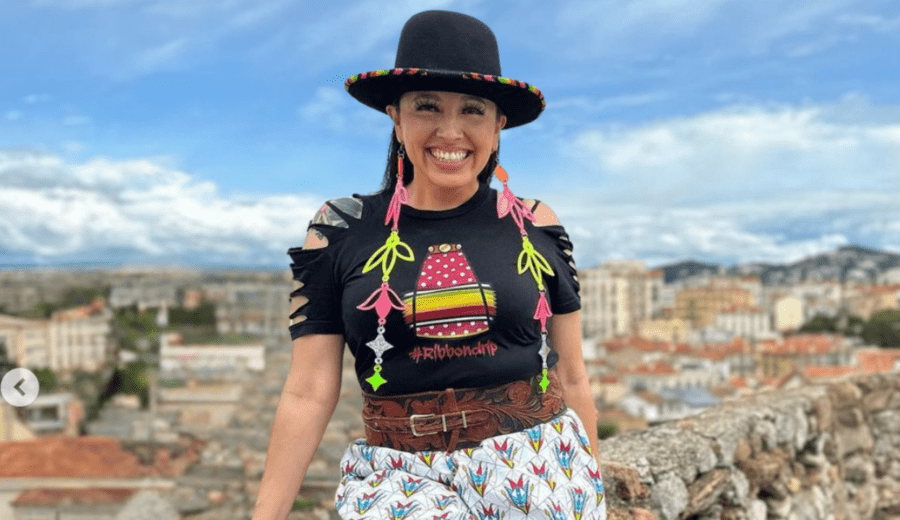
This month we are excited to highlight and introduce Maria Hawkins. We came across her through a video on Instagram (@not_your_average_savage_1995) of her snowboarding in a ribbon skirt. It stood out because it reflected confidence, culture, and presence in a space where Native visibility is often missing. A Chippewa/Cree certified snowboard instructor, writer, and photographer living in Bozeman, Maria is on a journey of reconnection—finding her way back to her family, her people, and herself after being adopted as a newborn. Along the way, she has found meaning in sharing what she knows, quietly giving back to her tribe by teaching snowboarding, helping gather equipment, and creating opportunities for Native youth and families to experience something that once gave her confidence and purpose. Maria’s story is one of reclaiming identity, listening to where you come from, and showing up for community in ways that feel honest and lasting.

Here is her story in her own words.

PERSONAL JOURNEY AND BACKGROUND

Can you share a little about your background ?

My name is Maria Hawkins. I am Chippewa/Cree, a certified snowboard instructor, writer, and photographer. I live in the mountains of Bozeman, Montana on 23 acres where I am lucky to have Bridger Bowl Ski hill just 15 minutes away.

Photography was always a hobby I loved as a kid, I never saw it as a career or something that could take me further in life. I put the camera down and picked it back up a couple of years ago and had a passion for creating powerful imagery. Finding my voice again and the beauty in my words helped me grow every time I pressed the shutter on my camera. I have so much more to share and to create in this world and I hope to keep capturing the hope and courage of our people and lands.   


How did snowboarding become such an important part of your journey?

During the first winter of Covid, I wanted to learn how to snowboard, but the cost barrier was too great to afford all the gear and proper lessons. I decided to buy all the things I needed on Facebook Marketplace and teach myself on the snow. That first year was full of large wrecks and many bruises. I was determined to get better so I could ride with my friends and family. At the end of that first season, I was able to connect my turns and felt like I had good footing going into my second year of snowboarding.

I have only been snowboarding for six seasons and have been able to accomplish so much. I am certified by the American Association of Snowboard Instructors and am able to provide snowboarding lessons for Indigenous youth on the Rocky Boy Reservation. Living in Bozeman, there are so many great people here who wanted to help me provide the Box Elder Elementary Ski group with ski jackets, pants, gloves, and other gear to ensure those kids had what they needed to make the experience fun. With communities where there is a need, there is a way, and I am glad I can make a difference and show the kids that someone who looks like them is out here doing good things in the world.

Being on the mountain for me is a great time to think about life and an escape to take in the views without the obstruction of everyday stresses.


Can you share your journey reconnecting with your Native American heritage?

I grew up in Three Forks, Montana, and was placed in the foster care system as a newborn. I always knew I was adopted because my case was very public in the 1990s, with social workers involved from birth, but I didn’t know who my family was or where I came from.

As I got older, I felt like I didn’t fit in. I was raised with the idea that I should be grateful—that a white family had “saved” me. During the adoption case, my adoptive father even claimed he was Native and related to Pocahontas, which wasn’t true. There was a narrative that they were rescuing a Native child from a terrible life. There was a Chippewa Cree family located in Las Vegas that was ready to take me in and adopt me. The tribe could not keep up with the expenses to prolong the case any longer and had to make the hard decision to let me go to the Hawkins family. 

When I decided to search for my family, I was discouraged. I was told stories about drugs and dysfunction and warned not to look. But I needed to find my family not just for myself, but for my kids. I didn’t want them growing up with guilt or shame tied to their identity. 

I didn’t just need to find my family for myself—I needed to find them for my kids.”

That journey required me to disconnect from my adoptive family, and it took nearly 20 years. I posted photos of my birth certificate in a Rocky Boy Facebook group, and within minutes people were responding—my aunties, cousins, relatives. Both of my parents had already passed away by then, but I was able to meet my aunties and uncles and discovered I have ten siblings.

Finding each other healed something in all of us.

My adoptive family felt betrayed and believed I wasn’t grateful enough for what they had given me, but reclaiming my identity was something I needed to do for myself and my children.


Newspaper clippings from Maria’s adoption case. Left: Maria is shown with her foster dad. R: Maria as a a baby and a clipping of a news article.

FINDING HER WAY BACK

What has the enrollment process like?

I’m still working to obtain my tribal ID. Enrollment is very strict, and proving who I was took time. But I felt a responsibility to reclaim what was missing. There is so much generational trauma tied to displacement, adoption, and identity, and reconnecting has helped begin that healing.


How did ICWA shape your story?

People still don’t understand the Indian Child Welfare Act (ICWA). When I share parts of my story publicly—especially on social media—I sometimes get pushback from people who don’t know the history or purpose of the law. I’m not ready to share everything about what happened yet, but I know many people carry stories just like mine.


Did you always understand your story? Where you came from?

I knew I was adopted, but I didn’t understand what it meant. I didn’t fully realize I was “brown” until I left my adoptive family and entered the wider world. That’s when I began noticing how differently I was treated—and how different it felt to move through the world.

Leaving home forced me to re-evaluate everything I thought I knew. Becoming outspoken made my family feel like I had abandoned them, but I was really just beginning to understand who I was.

“I wasn’t abandoning anyone—I was finally understanding who I was.”

Photo 1 was taken in Bozeman, Montana at the historic Northern Pacific Station (built in 1908) as part of a project Maria joined called Indigenizing Colonized Spaces. Photo 2 was captured during the Crow Fair parade while Maria was working with “Cowboys & Indians” magazine to create photos and an article about the experience. Photo 3 was taken of Maria at Crow Fair and connects to a “Know Before You Go” sidebar article she wrote.

How did that realization change you?

I grew up thinking the world was safe and fair. Once I stepped out on my own, I had to re-figure out life. It opened my eyes to Native issues and realities I hadn’t seen before, and I became unapologetic about standing up for them.


Tell us about your writing and advocacy work.

I wrote an article for American Prairie Journal about my experiences and my historical connections to Rocky Boy, including my fourth great-grandfather, Chief Little Bear. Writing it helped me realize I do have a voice—and that this work is bigger than just me.

American Prairie Journal Article: “Quietly, Then Boldly” by Maria Hawkins

I’m lucky to have connections with MSU’s American Indian Council, which focuses on community outreach and discussion of Native issues and amplifying voices in Montana. I feel like this work is only just beginning. I want to keep collaborating with the council to make impactful images that reflect the powerful moments of our culture.


What do you hope readers will take away from your writing?

That we need to tell our own stories, in our own words. We carry a perspective that only we can share—what it means to walk through the world as Native people. We all have a story and something worth sharing to the world. We can make a difference in the world by standing up and making waves! 

We need to tell our own stories in our own words.

Snowboarding, Access and Community

How does snowboarding connect to your community work?

Snowboarding gave me confidence, purpose, and opportunity—and I want the kids in Rocky Boy to have access to that same feeling. Access changes everything, especially for kids who don’t often get to try new things.

“Snowboarding isn’t just a sport—it’s a doorway to confidence and possibility.

Bear Paw Ski Bowl is tribally owned, on tribal land, and volunteer-run. I work with sponsors to donate gear and plan to apply for grants to provide season passes and equipment so kids can keep skiing after I leave. I also make sure parents receive winter clothing, because adults are often overlooked when the focus is only on kids.

Located just 29 miles south of Havre, Montana, in the Bear Paw Mountains on the Rocky Boy Reservation, Bearpaw Ski Bowl is open on Saturdays and Sundays from 10:30 a.m. to 4 p.m. after the New Year, weather and snow conditions permitting.


Looking Ahead

What’s next for you?

More writing, photography, and community outreach. I’ll continue gathering winter gear in Bozeman, securing new equipment from sponsors, teaching snowboarding and skiing to tribal youth, and building systems that allow access to continue long after I’m gone.

What advice would you give young people who want to share their voice? Tell their story?

Write down your stories before sharing them publicly. Don’t be afraid either—I was afraid for the longest time about telling my story until I did it and got it all off my chest. It felt really good. 

We’re storytellers too, like our people are storytellers, and these are things that aren’t necessarily taught anymore. With colonialism, we’ve suppressed a lot of our emotions and a lot of our abilities.

Fun & Personal

What do you love doing around Bozeman?

Being with my kids—hiking, hunting, snowboarding, teaching them about the land. Huckleberry and juneberry picking, learning from nature. I find myself always being in a mom role, not just with family but with my friend group. I’m always “momming”.


What inspired you to snowboard in a ribbon skirt and share that moment publically?

My friend Divya, who is India and now lives in Minnesota, skied down her local mountain wearing her traditional dress, a sari. She inspired me to ride down my mountain in my ribbon skirt and shawl. From there, we had the idea to meet up and create a collaboration video that blended our cultures with a sport we both love. The videos went viral on TikTok and Instagram and even caught the attention of the Canadian Broadcasting Corporation, which published an article about our video. While no U.S. outlets picked up the story, we were still grateful for the opportunity to connect and make waves in our communities while representing our people.

Maria, wearing her ribbon dress and shawl, and her new friend Divya, dressed in her sari, made waves as they rode down the mountain just outside Bozeman, Montana. Follow Maria on Instagram @notyouraveragesavage.

Any Last Words

As an Indigenous adoptee who never quite fit into any one group, I’ve learned that my journey is not just my own, but one shared by many who are searching for belonging and the true feeling of being wanted. Over the years, I’ve done deep work around my self worth and happiness, and I’ve come to understand that I reach new heights when I believe in myself.


Check out Marie’s writing and photography here:

Cowboys and Indians Article featuring her photography of Crow Fair.

Cowboys and Indians Article about Crow Fair titled “Know Before You Go”.

American Prairie Journal Article – Quietly Then Boldly.

You can follow Maria Hawkins on Instagram @not_your_average_savage_1995.

Turning what we imagine for our future into the courage to speak, lead, and protect what matters most.

We all carry a vision.

Whether we realize it or not, each of us holds an image of what life could look like—who we might become, what we hope to protect, and the future we are quietly moving toward. Vision is that powerful human ability to place a foot in the future, to imagine something that does not yet exist and believe it is possible.

But vision alone is not enough.

There are moments when vision pauses—when uncertainty, fear, or silence sets in. This is where voice begins. Voice picks up where vision hesitates. Voice is how we communicate what we see, advocate for what matters, and take action in the world.

Voice transforms an idea into movement.

Across cultures and generations, Native people have long understood the power of vision as a guiding force. Vision is not only about personal success; it is about responsibility. It has been a way to navigate life, to protect language, family, land, and ways of being. Vision connects past, present, and future—reminding us that what we do today shapes what comes next.

When vision is paired with voice, it becomes transformative.

Voice gives vision strength. It allows us to speak up for ourselves, for our communities, and for what we believe in. It shows up in classrooms, careers, families, and everyday decisions. It is how we set boundaries, tell our stories, and stand in our truth. Voice ensures that vision does not remain a dream, but becomes a direction.

This is the heart of our Youth Conference: Vision to Voice.

At its core is a simple but powerful question:

What will you protect?

What values guide your life? What future are you working toward? How can your vision—when coupled with your voice—shape your career, strengthen your family, and clarify your direction? No matter your age, background, or belief system, these questions belong to all of us.

Vision invites us to imagine.

Voice invites us to act.

When the two come together, we move from possibility to purpose—and from intention to impact. 

A Grassroots Leader Balancing Community, Responsibility, and the Work of Building Native Power.

People often imagine an Executive Director’s day as a neat row of meetings, emails, and polished strategy sessions. The reality—especially in grassroots, Native-led work—is far messier, more human, and far more meaningful.

For me, the day doesn’t start with a boardroom. It begins with responsibility.


Morning: Getting Grounded Before the Grind

Most mornings begin early, before emails and phone calls take over. I take a few moments to ground myself in silence, sometimes with prayer, sometimes just sitting still, reminding myself who this work is for (the people) and that others have done this before to make it a little easier for the next generation, and I’m a part of that.

Overall… Community comes first, always.

By the time I check my phone, open my laptop, or get to my computer, messages are already waiting: staff checking in, partners coordinating, community members seeking guidance in a system that often wasn’t built with them in mind. I scan for urgency, working through the list from pressing issues to deadlines that aren’t due for a while. In grassroots leadership, triage comes before the first sip of water.


Mid-Morning: Wearing All the Hats

As an Executive Director of a grassroots organization, I don’t just lead—I do. On any given morning, I might be:

  • Reviewing grant reports and budgets
  • Jumping on a call with national partners
  • Supporting staff through problem-solving or burnout
  • Coordinating building operations
  • Responding to media inquiries
  • Helping a community member access civic resources

Titles don’t protect you from rolling up your sleeves. In grassroots work, leadership means being willing to sweep the floor if that’s what the moment calls for.


Midday: Community Is the Work

By midday, I’m often in conversation with staff, communities, or partner organizations. These are my favorite moments. Community conversations are where strategy meets lived experience. They remind me why policy matters, why civic engagement matters, and why Native voices must lead their own movements.

Grassroots leadership requires listening deeply and acting responsibly. It’s not about being the loudest voice in the room—it’s about making sure the right voices are heard so the story is told.

Lunch is usually quick and often interrupted. But even then, I try to check in with the staff. How are they really doing? What support do they need? Sustaining movements means sustaining people, because BURN OUT IS REAL!


Afternoon: Systems, Strategy, and Advocacy

Afternoons are often reserved for the heavy lifts—strategic planning, financial oversight, compliance, and checking on Keaton, who does our advocacy.

This is where my academic background meets lived experience. Theory matters, but it has to serve real people. I constantly ask: Does this decision move our community closer to self-determination? Does it build power? How is this going to help our future people?

There are days when the weight of responsibility feels heavy—when funding challenges, political barriers, or systemic inequities press hard. But those are also the moments when clarity sharpens.

This work is not optional. It’s necessary, and it should be all our responsibility.


Evening: Reflection and Preparation

As the day winds down, the work doesn’t really stop. Evenings are often spent preparing for the next day—reading, writing, planning, or responding to one last email that couldn’t wait. On top of that, I dedicate time to my PhD in Leadership Studies program, balancing coursework, research, and reflection with the demands of leading a grassroots organization.

Before closing the laptop, I reflect. What did we move forward with today? Who did we serve? Where can we do better tomorrow? Leadership is iterative. You learn, you adjust, you keep going. Pursuing this doctorate deepens my understanding of leadership, but it also reminds me that the real classroom is the community itself, and every day brings new lessons.


The Truth About Grassroots Leadership

Being a grassroots Executive Director isn’t glamorous. It’s demanding, emotional, and deeply personal.

You carry the trust of your community, the responsibility of your staff, and the long arc of history on your shoulders.

But it’s also powerful.

Every day, I get to witness the strength of our people. I get to help build systems that honor Native sovereignty, civic participation, and community strength. I get to work alongside people who believe that change is possible.

And at the end of the day, that’s what keeps me showing up—again and again, because grassroots leadership isn’t just a job.

It’s a commitment.
It’s a responsibility.
It’s a way of life.

This month, we had the privilege of interviewing Mike Jetty, a Spirit Lake Dakota and Turtle Mountain Chippewa educator whose lifelong dedication to teaching and cultural advocacy has left a profound mark across Montana. With over three decades of experience in classrooms, curriculum development, and mentoring, Mike has become a leading voice for weaving Native history, culture, and perspectives into the learning experience. His work reflects a deep commitment to honoring stories, fostering understanding, and creating connections that go beyond textbooks. Through every lesson, workshop, and conversation, Mike shows that education is not just about knowledge—it’s about empathy, respect, and celebrating the heritage that shapes who we are.


PERSONAL JOURNEY AND BACKGROUND

Can you share a little about your background and what inspired you to pursue a career in Indian education?

Hau Mitakuyapi, cante waste ciyu zapido—hello, my relatives! I greet you all with a good heart and handshake. My name is Mike Jetty, and I am an enrolled member of the Spirit Lake Dakota Nation and a Turtle Mountain Anishinaabe descendent. I am also called Wanbli Isnala (Lone Eagle), a name given to me many years ago by Leon Red Dog, Rocke Afraid of Hawk, and Melvin Gray Bear.

I currently live in Helena, MT, and I am married to Laura Ferguson. We have two daughters, Rosie and Sapphire. I work at the Montana Office of Public Instruction (OPI) as an Indian Education Specialist and have held this role since 2004. I previously worked at OPI from 1998–2001 as a Title I / Indian Education Specialist.

Between my OPI positions, I taught Multicultural Education courses at Montana State University. That experience was wonderful, but Bozeman was expensive, and when the opportunity to return to Indian Education at OPI arose, I took it—and I have been here ever since.


Where did you grow up, and how did your family influence your path?

I grew up in South Dakota, spending my early years at Stephen on the Crow Creek Reservation. My parents, both from North Dakota, had been recruited in the late 1950s to work at the Stephan Mission Boarding School. They worked there for 20 years before we moved to Highmore, where my brother Ron and I graduated from high school.

My parents had a huge influence on our lives, working to foster better relationships between Natives and non-Natives in South Dakota. Our father was even inducted into the SD Hall of Fame for his work in cross-cultural relationships. My older brother now works at the University of Madison, implementing Act 31, which is similar to Montana’s IEFA law. In many ways, we are both continuing the work of our parents, but in different states.

Our home was full of laughter and humor. Dad would often say, “Never criticize someone until you’ve walked a mile in their moccasins.” When I asked why, he replied, “Well, that way you’re a mile away, plus you have his moccasins.” That joke has aged well—and it’s making a comeback.


How did your education shape your interest in Native history and culture?

I attended the University of South Dakota and earned a degree in History Education. One of my favorite classes was “The History of the American West Through Film,” a three-hour evening class where we watched a different classic Western each week.

This course taught me about biased, inaccurate, and offensive portrayals of Native Americans in film and how these portrayals reflected the racism present in American society at the time. For more on this topic, the documentary Reel Injun is an excellent resource, showing how popular media has perpetuated stereotypes and misinformation about Native Americans.


Left: Mike poses with his brother at a conference. Right: Mike with Olympic gold medalist Billy Mills, who won the 10,000 meter run at the 1964 Tokyo Olympics .


PROFESSIONAL ROLE AND IMPACT

How did your early teaching experiences influence your career in Indian Education?

After graduation, I started my teaching career at Takini School on the Cheyenne River Reservation, teaching Lakota Studies, Tribal Government, U.S. Government, and History. Those experiences provided a solid foundation for my ongoing work in Indian Education.

I used to start each class with a “Jetty Joke,” a tradition I continue in workshops and presentations. I return to Cheyenne River annually to visit friends, relatives, and participate in ceremonies. I am extremely grateful for the teachings I’ve received and remain humble about how much more I have to learn. I owe much of my success to my mentors—their guidance, support, and knowledge have been invaluable. Wopida tanka!


How have relationships with educators shaped your work?

I have had the honor of developing deep relationships with educators across Montana and South Dakota. My extended Indian education family includes tribal leaders, elders and knowledge keepers, language instructors, tribal college faculty, tribal education departments, and American Indian administrators and teachers.

Many of these individuals have decades of experience in Indian education, and their wisdom is an invaluable asset. We need all our relatives at the table to support ongoing efforts. Speaking of relatives, my dad once told me to always greet groups as relatives. “That way,” he said, “you can hit them up for cash later.” So if you’re reading this, consider yourself a relative—I may show up at mealtime, so be forewarned!


How did your graduate education contribute to your expertise?

In 1994, I received a Bilingual Education Fellowship to attend Montana State University, where I earned a Master’s in School Administration and an Education Specialist degree. Most of my instructors allowed me to tailor my research and writing to focus on American Indian Education issues, which has proven invaluable in my work supporting educators today.


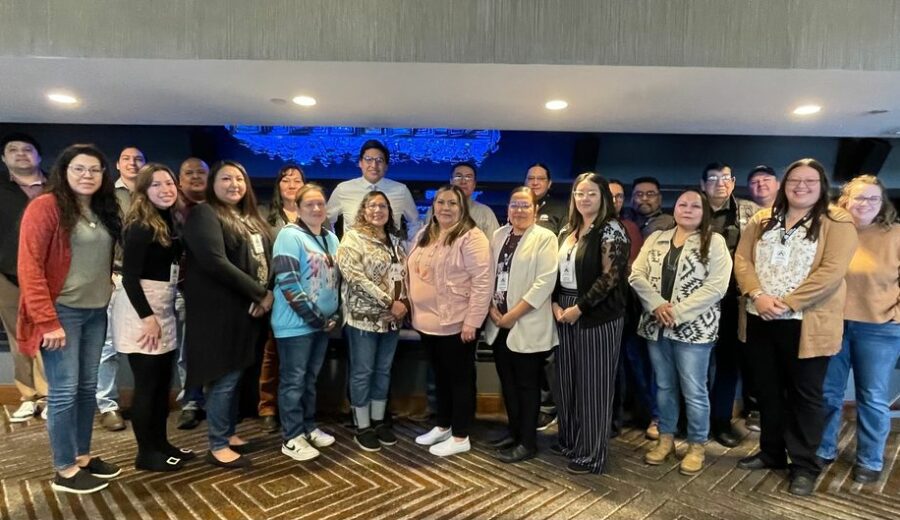
During the 2025 Western Native Voice Membership Workshops in Helena, we had the privilege of hearing from Mike Jetty as a guest speaker. His message—and the song he shared—left a lasting impression on everyone in attendance.


COMMUNITY ENGAGEMENT AND ADVOCACY

Why is this work so personally important to you?

Growing up, a local nun once remarked that my dad was a “nice Indian man.” I became upset and said, “My dad’s not an Indian, he’s a good guy…” Even at a young age, I noticed how the dominant culture labeled Natives negatively. Experiences like this shaped my identity and fueled my passion for IEFA.

IEFA is important not only for non-Natives to learn authentic history and contemporary issues but also for Native youth to see themselves reflected accurately in school curricula.


You’ve been working with Indian Education issues for more than 30 years. What changes or progress have you seen since the early days of IEFA?

I was very fortunate to work with Denise Juneau in the early days of IEFA. We were both at OPI when Representative Carol Juneau sponsored House Bill 528, which was eventually codified into law as 20-1-501 MCA, now more commonly known as Indian Education for All.

The IEFA law states that all Montanans “will be encouraged to learn about the distinct and unique heritage of American Indians in a culturally responsive manner.” It reaffirmed the state’s commitment to honor the language in Article X of the Montana Constitution, which states: “The state recognizes the distinct and unique cultural heritage of American Indians and is committed in its educational goals to the preservation of their cultural integrity.”

I have to give a huge shout-out to Blackfeet educator Earl Barlow, the first Indian Education Director for Montana, who was instrumental in including Indian education in the Constitution.

After the passage of House Bill 528, we worked to determine what should be taught about Montana American Indians. During the summer of 2000, we brought together representatives from all Montana tribes and created the Seven Essential Understandings Regarding Montana Indians. My role at this historic gathering was to help facilitate agreement on commonalities all tribes felt should be taught in Montana schools.

These Essential Understandings (EUs) focus on themes of diversity, history, culture, and sovereignty, and they form the basis for all curriculum initiatives. Many of us who helped create the EUs also facilitated the collaborative work of developing hundreds of lesson plans across multiple content areas and grade levels. This work is ongoing, as new resources are continually developed alongside professional development for educators.

Several other states—including CA, ME, ND, NV, OR, SD—and even the National Museum of the American Indian have adopted Essential Understandings based on Montana’s model. Montana has been a leader in Indian Education, and we also collaborate with Indigenous educators from other states to inform our work.


L: Mike Jetty with his daughter Sapphire, Shane Doyle and Supaman at the Winter Lodge Rendezvous in Helena, MT. R: Mike Jetty back in the day when he taught at Takini. This was the school drum group at a powwow in Chamberlain, SD.


Indian Education for All is now an essential part of Montana’s education system. What does this work mean to you personally?

It has been an honor to work with the IEFA program. Over the years, several Indian Education Directors and Specialists at OPI have contributed to this work, and I aim to continue what they started. I enjoy supporting educators so they can implement IEFA effectively in their classrooms.

Montana is unique: it is the only state with both a Constitutional and legal obligation to infuse accurate American Indian content into the curriculum.

Beyond my role at OPI, I also participate in cultural celebrations and ceremonies. I’ve served as an emcee for powwows, round dances, and other cultural events, sharing accurate information about American Indians—and occasionally a bad joke or two.


What are some of the biggest challenges educators face when teaching culturally relevant content?

The most common concern I hear from teachers is the fear of teaching something wrong or offending tribal nations or individuals. I always encourage teachers to find relevant content standards and utilize resources developed by OPI or tribal educators.

Another key point I emphasize is that we need to move beyond blame, shame, and guilt. Teachers also face challenges in accessing authentic, tribally specific materials relevant for their grade level and content area, so we continually work to develop these resources.


How do you work with teachers and schools to bring Native perspectives into lessons?

I provide ongoing professional development support, both online and in person. I often remind teachers that they don’t have to “teach culture” themselves—they are teaching about culture. Tribal knowledge keepers can provide the actual cultural instruction, either in person or via video.

Supporting teachers is a collaborative effort involving many stakeholders. I work with a great team of Indian Education Specialists at OPI, whose work focuses on improving American Indian student achievement and supporting tribal language instruction.

I like to think of us as the “aaayyy” team.


You often talk about “institutionalizing” IEFA through accreditation, standards, and policy. Why is this important?

Institutionalizing IEFA ensures it becomes a natural part of K–20 education, embedded throughout the system. Seamless integration means American Indian content and contexts are woven into the school year in a culturally relevant and responsive manner.

For example, IEFA content is now included in Montana Content Standards and Accreditation Standards. All teachers seeking a Montana teaching license must complete an online IEFA course before certification, ensuring they have basic awareness of the law and access to accurate resources. The positive feedback from teachers taking the course is inspiring.

Under new accreditation processes, schools must submit examples of how teachers implement IEFA in classrooms. Seeing student work and what’s being taught about Native cultures and histories is affirming—and highlights the ongoing work needed to ensure consistent, statewide implementation.

The constitutional, legal, and legislative efforts to support accurate teaching of American Indian cultures are a strong example of democracy in action.

In 2025, updated IEFA legislation increased accountability for IEFA funding, reporting, and required educational agencies to consult with tribes on ongoing implementation.


What do Native students need most from education today?

Schools across Indian Country are increasingly implementing Indigenous frameworks for curriculum and instruction. I recently attended the Tribal Education PIR at Fort Peck, where over 100 teachers participated.

One of the most powerful presentations was from the Buffalo Unity Project at Poplar Middle School. This program helps transmit Indigenous knowledge to future generations, maintaining cultural traditions, language, and ceremony. The student drum groups performing at the event were a beautiful example of the 7th Generation in action. Someday, we will all be ancestors, and our descendants will tell stories of programs like Buffalo Unity that preserved our cultures and languages.

(And speaking of buffalo—do you know why you never see a buffalo hiding in a tree? Because they’re really, really good at it…)


You’ve said that “IEFA is a historic endeavor.” What makes it historic, and what gives you hope for the future?

I envision statewide IEFA implementation in all schools, across all content areas and grade levels, infused seamlessly into the curriculum. Students will gain a basic understanding of American Indian histories, cultures, and perspectives, while Native students will see themselves authentically reflected in school curricula.


What advice would you share with young Native people who want to make a difference?
  • Connect with tribal knowledge keepers and learn as much as you can about your culture, language, and traditions.
  • Be active locally—attend school, do your best, and engage in initiatives that make a positive impact.
  • Never stop learning. Find your passion and follow your dreams.
  • Work to eliminate stereotypes, clarify misconceptions, and build relationships with people from all walks of life.
  • Live by the concept of Mitakuye Oyasin—be a good relative to all of creation.

Do you currently belong to any community organizations, past or present?

I have served on several boards over the years:

  • Former Board Chair, Helena Indian Alliance
  • Former Board Member, Montana Indian Education Association
  • Former Board Member, Montana Conservation Corps
  • Active member, American Indian and Minority Achievement Council, Montana University System
  • College days: American Indian Council and singer with the Bobcat Singers

Currently, I serve as Board Chair for Identity Inc. and am a member of the MT 250 Commission. Our theme for Montana is Mitakuye Oyasin—we are all related. Let’s continue making relatives here and work to create inclusive educational systems, ensuring IEFA remains a core part of what we do.

Any Last Words?

I appreciate the opportunity to share a bit of my story and I apologize if I got longwinded – I just joined a support group for people who talk too much…it is called On and On Anon…